Nitrososphaeria
Ammonia-oxidizing archaea key to nitrogen and carbon cycles.
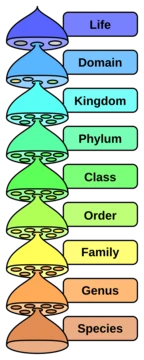
Nitrososphaeria is a class of Archaea belonging to the phylum Thermoproteota. It was once considered its own phylum, called Nitrososphaerota or Thaumarchaeota. The first known species, *Cenarchaeum symbiosum*, was identified in 1996; its genome was unlike any other archaea known at the time, which led to its initial classification as a separate phylum. Most members of this class are chemolithoautotrophic ammonia-oxidizers, meaning they obtain energy from ammonia and fix carbon dioxide, and they likely play significant roles in the nitrogen and carbon cycles. Their membrane lipids, specifically glycerol dialkyl glycerol tetraethers (GDGTs), can be extracted from marine sediments and used to estimate past ocean temperatures through the TEX86 paleotemperature proxy. Because these organisms fix CO₂, the carbon isotope ratios in their GDGTs also preserve a record of past dissolved inorganic carbon, offering a tool for reconstructing ancient carbon cycles.
- field
- Archaeology / Microbiology
- known_for
- Ammonia-oxidizing archaea; source of crenarchaeol biomarker; TEX86 paleotemperature proxy
- first_species_discovered
- Cenarchaeum symbiosum (1996)
- taxonomic_reclassification
- Demoted from phylum to class in 2021 under Thermoproteota
Lore & Background
In 1996, biologists at the University of California discovered archaea in a sponge (Axinella sp.) collected offshore of Santa Barbara. Genetic analysis showed it was distinct from Crenarchaeota, and it was named Cenarchaeum symbiosum. Further studies based on ribosomal RNA genes and DNA polymerase indicated it was not closely related to Crenarchaeota. In 2005, ammonia-oxidizing archaea Nitrosopumilus maritimus was discovered from water sources around Seattle, classified under Crenarchaeota. Another, Nitrososphaera gargensis, was discovered in 2008 from a Siberian hot spring. By then, C. symbiosum was established as capable of oxidizing ammonia. Genome sequences showed significant differences from hyperthermophilic Crenarchaeota, leading to the introduction of a third phylum, Thaumarchaeota, in 2008, based on phylogenetic data and the presence of a type I topoisomerase previously thought unique to eukaryotes.
Reader's Guide
Nitrososphaeria are significant as the first archaea identified as involved in nitrification, capable of oxidizing ammonia at much lower substrate concentrations than ammonia-oxidizing bacteria, thus dominating in oligotrophic conditions. Their ammonia oxidation pathway requires less oxygen, allowing them to thrive in low-oxygen environments like sediments and hot springs. They are identified metagenomically by archaeal ammonia monooxygenase (amoA) genes, indicating they are overall more dominant than ammonia-oxidizing bacteria. Some Nitrososphaeria can use urea as a substrate for nitrification, and marine members produce nitrous oxide, a greenhouse gas, with isotopic analysis suggesting most oceanic nitrous oxide flux may be due to archaeal metabolism. Their CO2 fixation pathway is more efficient than any known aerobic autotrophic pathway, aiding survival in low-nutrient environments. The lipid crenarchaeol, found only in Nitrososphaeria, serves as a potential biomarker for the class. Their GDGTs in marine sediments enable past temperature reconstructions via TEX86 and carbon cycle reconstructions via carbon-13 ratios.
Did You Know?
- Nitrososphaeria constitute about 1% of the sea surface metagenome across many sites.
- The lipid crenarchaeol has been found only in Nitrososphaeria, making it a potential biomarker for the class.
- At least one Nitrososphaeria strain can use urea as a substrate for nitrification.
- Nitrososphaeria are most likely the dominant producers of the critical vitamin B12.
More in Eukaryote Groups And Taxonomy 1-24
Elsewhere in the Eukaryote Groups And Taxonomy universe
Spotted an error? Know more?
This is a living reference — every entry is fact-audited, and reader corrections feed straight into our audit queue. Suggest an edit · See this site's audit record