Bacteroidota
Gram-negative bacteria widespread in guts and environment.

Wikipedia / Wikimedia Commons
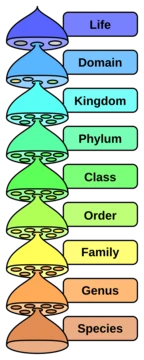
Bacteroidota (synonym Bacteroidetes) is a phylum of Gram-negative, nonsporeforming, rod-shaped bacteria that are widely distributed in the environment, including in soil, sediments, sea water, and the guts and skin of animals. The phylum comprises three large classes, with the class Bacteroidia being the most well-studied; it includes the genus Bacteroides, an abundant organism in the feces of warm-blooded animals, and Porphyromonas, which inhabits the human oral cavity. Bacteroidota are significant for their symbiotic roles in the gastrointestinal tract, where they perform metabolic conversions essential for the host, such as degradation of proteins and complex sugar polymers.
- phylum
- Bacteroidota
- synonym
- Bacteroidetes
- first_isolated_species
- Bacteroides fragilis (1898)
- key_classes
- Bacteroidia, Flavobacteriales, Sphingobacteriales
- habitat
- Soil, sediments, sea water, animal guts, skin
- metabolic_end_products
- Succinic acid, acetic acid, propionic acid
Lore & Background
Bacteroides fragilis was the first Bacteroides species isolated in 1898 as a human pathogen linked to appendicitis among other clinical cases. For a long time, it was thought that the majority of Gram-negative gastrointestinal tract bacteria belonged to the genus Bacteroides, but in recent years many species have undergone reclassification. Based on current classification, the majority of gastrointestinal Bacteroidota species belong to the families Bacteroidaceae, Prevotellaceae, Rikenellaceae, and Porphyromonadaceae. The phylum is sometimes grouped with Chlorobiota, Fibrobacterota, Gemmatimonadota, Calditrichota, and marine group A to form the FCB group or superphylum.
Reader's Guide
Bacteroidota are a stable and metabolically versatile component of the gastrointestinal microbiota, with reduced abundance associated with obesity in some cases. Their role in irritable bowel syndrome is uncertain, though the genus Bacteroides may be enriched, and they may be involved in type 1 and type 2 diabetes pathogenesis. Bacteroides spp. have been found enriched in metagenomes of subjects with low gene richness associated with adiposity, insulin resistance, and dyslipidaemia. Beyond the gut, Bacteroidota are abundant in the rhizosphere and marine bacterioplankton, and halophilic genus Salinibacter inhabits hypersaline environments. Comparative genomic analysis has identified 27 proteins present in most Bacteroidota species, along with a three-amino-acid deletion in the ClpB chaperone, serving as molecular markers. The phylum shares a close evolutionary relationship with Chlorobiota and Fibrobacterota, supported by shared proteins and conserved signature indels, leading to the proposal of a single FCB superphylum.
Did You Know?
- Bacteroides fragilis was the first Bacteroides species isolated in 1898 as a human pathogen linked to appendicitis.
- Bacteroidota can reach up to 10^11 cells per gram of intestinal material.
- Some Bacteroidota produce flexirubin pigments, giving them yellow-orange to pink-red colors.
- A three-amino-acid deletion in the ClpB chaperone is present in all Bacteroidota species except Salinibacter ruber.
More in Eukaryote Groups And Taxonomy 1-24
Elsewhere in the Eukaryote Groups And Taxonomy universe
Spotted an error? Know more?
This is a living reference — every entry is fact-audited, and reader corrections feed straight into our audit queue. Suggest an edit · See this site's audit record