Cercozoa
Diverse single-celled eukaryotes united by molecular phylogenies.

Wikipedia / Wikimedia Commons
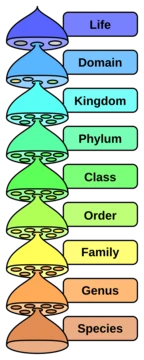
Cercozoa is a phylum made up of a wide variety of single-celled eukaryotes. Under a microscope, they don’t share any obvious physical features; instead, scientists group them together based on molecular comparisons of rRNA, actin, or polyubiquitin. This phylum was the first major group of eukaryotes to be identified primarily through these molecular methods. Most cercozoans are amoeboids or flagellates that capture food using thin, thread-like pseudopods, and they are closely related to the phylum Retaria—together, these two phyla form the supergroup Rhizaria.
These organisms feed without a true mouth, or cytostome, which many other protozoa possess. Their forms are so varied that it’s been hard to define them by structure alone, but genetic studies strongly support their unity. Some cercozoans move by extending filose pseudopods (like filopodia), while others form a net-like mesh of pseudopods called reticulose. Examples of filose cercozoans include euglyphids (which build shells from silica scales and live in soil or water), chlorarachniophytes (which have chloroplasts with four membranes and a vestigial nucleus called a nucleomorph), tectofilosids (which produce organic shells), cercomonads (common soil amoeboflagellates), granofiloseans (including groups once considered heliozoa), and phaeodarians (marine protozoa once classified as radiolarians). Reticulose examples include the shelled amoeba *Gromia*.
Cercozoa is not just morphologically and physiologically diverse—it’s also ecologically widespread. Many of the most abundant and important protozoa in soil, marine, and freshwater environments belong to this phylum. In temperate soils, cercozoans are a dominant group of free-living eukaryotic microbes, making up about 30% of identifiable protozoan DNA in arid or semi-arid soils and 15% in wetter soils. In forest and grassland soils, they account for 40–60% of all identifiable protozoan RNA. They also represent 9–24% of all operational taxonomic units found on the ocean floor.
Some cercozoans are coprophilic or coprozoic, meaning they live in or feed on feces. This habitat is an overlooked reservoir of microbial eukaryotic diversity, dominated by amoeboflagellates from Cercozoa. Strongly coprophilic examples include the flagellates *Cercomonas*, *Proleptomonas*, and *Helkesimastix*, as well as the sorocarpic amoeba *Guttulinopsis*. Many new cercozoan l
- field
- Protistology
- known_for
- First major eukaryotic group recognized mainly through molecular phylogenies; natural predators of many bacteria; dominant protozoa in soil and aquatic ecosystems
- subphyla
- Filosa and Endomyxa
- ecological_roles
- Bacterivores, coprophilic/coprozoic organisms, dominant in soil and phyllosphere
Lore & Background
Cercozoa are a phylum of single-celled eukaryotes that were the first major eukaryotic group to be recognized mainly through molecular phylogenies, rather than shared morphological characteristics. They include most amoeboids and flagellates that feed using filose pseudopods, and they lack a true cytostome or mouth. Their unity is strongly supported by phylogenetic studies, despite their diverse forms.
The phylum is composed of two subphyla: Filosa and Endomyxa. Within Filosa, recent phylogenomic analyses have recovered both Monadofilosa and Reticulofilosa as monophyletic. Cercozoa also includes groups such as Euglyphids (filose amoebae with siliceous shells), Chlorarachniophytes (with chloroplasts bound by four membranes and a vestigial nucleus), Cercomonads (common soil-dwelling amoeboflagellates), and Phaeodarians (marine protozoa previously considered radiolarians).
Ecologically, Cercozoa are highly diverse and abundant. They are natural predators of many bacteria and are dominant in soil, marine, and freshwater ecosystems. Soil-dwelling cercozoans account for around 30% of identifiable protozoan DNA in arid or semi-arid soils and 15% in more humid soils. Some cercozoa are coprophilic or coprozoic, using feces as a source of nutrients or transport, and many new lineages have been discovered through phylogenetic sampling of feces.
Reader's Guide
Cercozoa holds significant importance in the history of biological classification as the first major eukaryotic group to be recognized primarily through molecular phylogenies, marking a shift from morphology-based taxonomy. Their diversity in form and ecology makes them key players in microbial food webs, particularly as bacterivores in soil, marine, and freshwater ecosystems. In temperate soils, they account for a substantial proportion of protozoan DNA and RNA, indicating their dominance in these environments. Their role in the plant phyllosphere, where they cause shifts in bacterial communities by reducing alphaproteobacteria and betaproteobacteria in favor of gammaproteobacteria, highlights their ecological impact. The discovery of many new cercozoan lineages through fecal sampling underscores the importance of understudied habitats. Phylogenomic analyses continue to refine the internal relationships within Cercozoa, with ongoing debates about the monophyly of groups like Reticulofilosa. Their study has also contributed to understanding endosymbiotic origins of organelles, as seen in Chlorarachniophytes, which possess a vestigial nucleus called a nucleomorph. Overall, Cercozoa exemplifies how molecular tools have revolutionized the understanding of eukaryotic diversity and evolution.
Did You Know?
- Cercozoa were the first major eukaryotic group to be recognized mainly through molecular phylogenies.
- They are natural predators of many species of bacteria.
- Soil-dwelling cercozoans account for around 30% of identifiable protozoan DNA in arid or semi-arid soils.
- Some cercozoa are coprophilic or coprozoic, using feces as a source of nutrients or transport.
More in Eukaryote Groups And Taxonomy 1-24
Elsewhere in the Eukaryote Groups And Taxonomy universe
Spotted an error? Know more?
This is a living reference — every entry is fact-audited, and reader corrections feed straight into our audit queue. Suggest an edit · See this site's audit record