Myxogastria
A class of slime molds with multinucleate plasmodia and fruiting bodies.
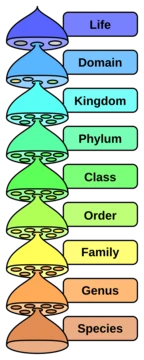
Myxogastria, also known as Myxomycetes or plasmodial slime molds, is a class of slime molds comprising 5 orders, 14 families, 62 genera, and 888 species. They are distributed worldwide but are more common in temperate regions, and they pass through several morphologic phases, including microscopic individual cells, slimy amorphous organisms, and conspicuously shaped fruit bodies.
- field
- Mycology / Protistology
- known_for
- Plasmodial or acellular slime molds with multinucleate plasmodia
- species_count
- 888 (with estimates up to 1,200–1,500)
- distribution
- Worldwide, especially temperate regions
Lore & Background
The class Myxogastria was introduced in 1970 by Lindsay Shepherd Olive, based on the family Myxogastridae introduced in 1899 by Thomas Huston Macbride. Swedish mycologist Elias Magnus Fries described numerous slime molds as Myxogasteres in 1829. The name Myxomycota, now considered a synonym, comes from Ancient Greek words for 'mucus' and 'fungus'. Some consider Myxogastria a separate kingdom, with unsettled phylogeny due to conflicting molecular and developmental data.
All Myxogastria species pass through several morphologic phases: haploid spores germinate into myxamoebae or myxoflagellates, which can fuse to form a diploid zygote. The zygote develops into a multinucleate plasmodium, which can grow up to 1 meter across and weigh up to 20 kilograms. The plasmodium is the trophic phase, absorbing nutrients via phagocytosis. Under adverse conditions, myxamoebae can form microcysts.
The classification of Myxogastria is based on a 2019 publication by Leontyev and coauthors, dividing the class into two subclasses: Lucisporomycetidae (bright-spored) and Columellomycetidae (dark-spored), comprising 13 families and 9 orders. Reclassification is complicated because Myxogastria are morphologically plastic and susceptible to environmental influences.
Reader's Guide
Myxogastria are significant as a major group of slime molds, with over 900 species recognized and estimates suggesting up to 1,500 species based on environmental samples. They are distributed worldwide but show higher biodiversity in temperate regions, and they inhabit diverse environments including open forests, deserts, under snow, underwater, and on tree bark (corticolous myxomycetes). Their life cycle, involving haploid spores, myxamoebae, myxoflagellates, and a multinucleate plasmodium, is a classic example of cellular aggregation and differentiation. The plasmodium can reach extreme sizes, up to 1 meter across and 20 kilograms, and exhibits chemotactic and negative phototactic behavior. The taxonomy of Myxogastria remains unsettled, with conflicting molecular and developmental data, and reclassification is hindered by morphological plasticity. Only a few species are common; many are rare or found in single locations. The group's ability to form microcysts allows survival in extreme conditions. Their study contributes to understanding of protist evolution, ecology, and the boundaries between unicellular and multicellular life.
Did You Know?
- Myxogastria can grow up to 1 meter across and weigh up to 20 kilograms, yet remain a single cell.
- Spores of Myxogastria have been known to germinate after 75 years in herbarium specimens.
- The class contains 5 orders, 14 families, 62 genera, and 888 species, with estimates of up to 1,500 species.
- Myxogastria are found in extreme environments including deserts, under snow blankets, and underwater.
More in Eukaryote Groups And Taxonomy 1-24
Elsewhere in the Eukaryote Groups And Taxonomy universe
Spotted an error? Know more?
This is a living reference — every entry is fact-audited, and reader corrections feed straight into our audit queue. Suggest an edit · See this site's audit record