Ipomoea
Largest genus in Convolvulaceae, includes morning glory and sweet potato.
Ipomoea, the largest genus in the morning glory family (Convolvulaceae), contains more than 600 species. These plants go by many common names, including morning glory, water spinach, sweet potato, bindweed, and moonflower. They grow across tropical and subtropical regions worldwide.
The genus includes annual and perennial herbs, shrubs, lianas, and small trees. Most species are twining climbers with simple or rarely compound leaves. Their flowers grow in small to large clusters from the leaf axils, appearing singly or in cymes. The blooms are pentamerous and come in shades of blue, red, pink, purple, white, orange, or yellow.
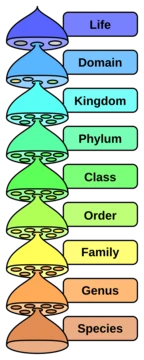
Carl Linnaeus named the genus Ipomoea in 1753. The type species is Ipomoea pes-tigridis. The name comes from Ancient Greek words for "woodworm" and "resembling," referring to the plants' twining habit. Within the Convolvulaceae family, Ipomoea belongs to the tribe Ipomoeeae. There are 642 accepted species.
The most widespread common name is morning glory, though some species in related genera share that name, and some Ipomoea species have different common names. Species once placed in the genus Calonyction are called moonflowers.
Different Ipomoea species interfere with each other's pollination. Pollen from one species competes in the reproductive processes of another, imposing a fitness cost.
Humans use Ipomoea species for medicinal and psychoactive compounds, mainly alkaloids. Vera Cruz jalap (I. jalapa) and Tampico jalap (I. simulans) produce jalap, a cathartic preparation that accelerates stool passage. Giant potato (I. mauritiana) is an ingredient in chyawanprash, an ancient Ayurvedic tonic. The leaves of sweet potato (I. batatas) are eaten as a vegetable and have been shown to slow oxygenation of LDLs, with potential health benefits similar to green tea and grape polyphenols. In Kerala, Ipomoea sepiaria is part of the Dashapushpam (Ten sacred flowers) and is called "Thiruthali" in Malayalam.
Moon vine (I. alba) sap was used to vulcanize latex from the Panama rubber tree into rubber. The rubber tree is well-suited for the vine to twine upon, and the two species are often found together. As early as 1600 BCE, the Olmecs produced balls for the Mesoamerican ballgame using this process.
Some Ipomoea species were and still are used as potent entheogens. Aztecs and Zapotecs used seeds of Mexican morning glory (I. tricolor) in sham
- Genus
- Ipomoea
- Family
- Convolvulaceae
- Number of species
- Over 600 (642 accepted species)
- Type species
- Ipomoea pes-tigridis
- Described by
- Carl Linnaeus in 1753
- Common names
- Morning glory, water convolvulus, water spinach, sweet potato, bindweed, moonflower
- Habitats
- Tropical and subtropical regions
Lore & Background
Ipomoea species are annual or perennial twining, prostrate, or erect herbs, shrubs, lianas, or trees, usually with twining or trailing stems. Their flowers are pentamerous and come in colors including blue, red, pink, purple, white, orange, or yellow. The genus was named by Carl Linnaeus in 1753, and the name derives from Ancient Greek words meaning 'woodworm' and 'resembling,' referring to their twining habit.
Some species, such as Ipomoea sepiaria, are used in traditional practices; for example, it is part of the Dashapushpam (Ten sacred flowers) in Kerala, where it is known as 'Thiruthali.' Moon vine (Ipomoea alba) sap was used for vulcanizing latex from the Panama rubber tree, and the Olmecs produced balls for the Mesoamerican ballgame as early as 1600 BCE using this process.
Many Ipomoea species contain medical and psychoactive compounds, particularly alkaloids. Vera Cruz jalap and Tampico jalap are used to produce the cathartic jalap. Seeds of Mexican morning glory (Ipomoea tricolor) were used by Aztecs and Zapotecs in divination rituals and as a poison. Ergoline alkaloids occur in several species, with seeds commonly containing lysergamides such as ergine (LSA) and isoergine.
Reader's Guide
Ipomoea is significant as the largest genus in the morning glory family, encompassing over 600 species with diverse forms from herbaceous plants to small trees. Its species are widespread across tropical and subtropical regions and have been used by humans for food, medicine, and ritual purposes for millennia. The sweet potato (Ipomoea batatas) is a major food crop, while other species provide traditional medicines such as jalap and chyawanprash ingredients. Some species, notably Ipomoea tricolor and Ipomoea violacea, contain psychoactive ergoline alkaloids and have been used in shamanistic and divinatory practices by Mesoamerican cultures. The genus also played a role in early rubber production, as moon vine sap was used to vulcanize latex. The pollination ecology of Ipomoea is notable because different species interfere with each other's pollination, with pollen competing across species and imposing fitness costs. The genus continues to be studied for its alkaloid content, which has both recreational and medical relevance.
Did You Know?
- The name Ipomoea comes from Ancient Greek words meaning 'woodworm' and 'resembling,' referring to its twining habit.
- Moon vine (Ipomoea alba) sap was used for vulcanizing latex from the Panama rubber tree as early as 1600 BCE by the Olmecs.
- Seeds of Ipomoea tricolor and Ipomoea purpurea commonly contain lysergamides such as ergine (LSA) and isoergine.
- Ipomoea sepiaria is one of the ten sacred flowers (Dashapushpam) in Kerala, known as 'Thiruthali.'
More in Eukaryote Groups And Taxonomy 1-24
Elsewhere in the Eukaryote Groups And Taxonomy universe
Spotted an error? Know more?
This is a living reference — every entry is fact-audited, and reader corrections feed straight into our audit queue. Suggest an edit · See this site's audit record